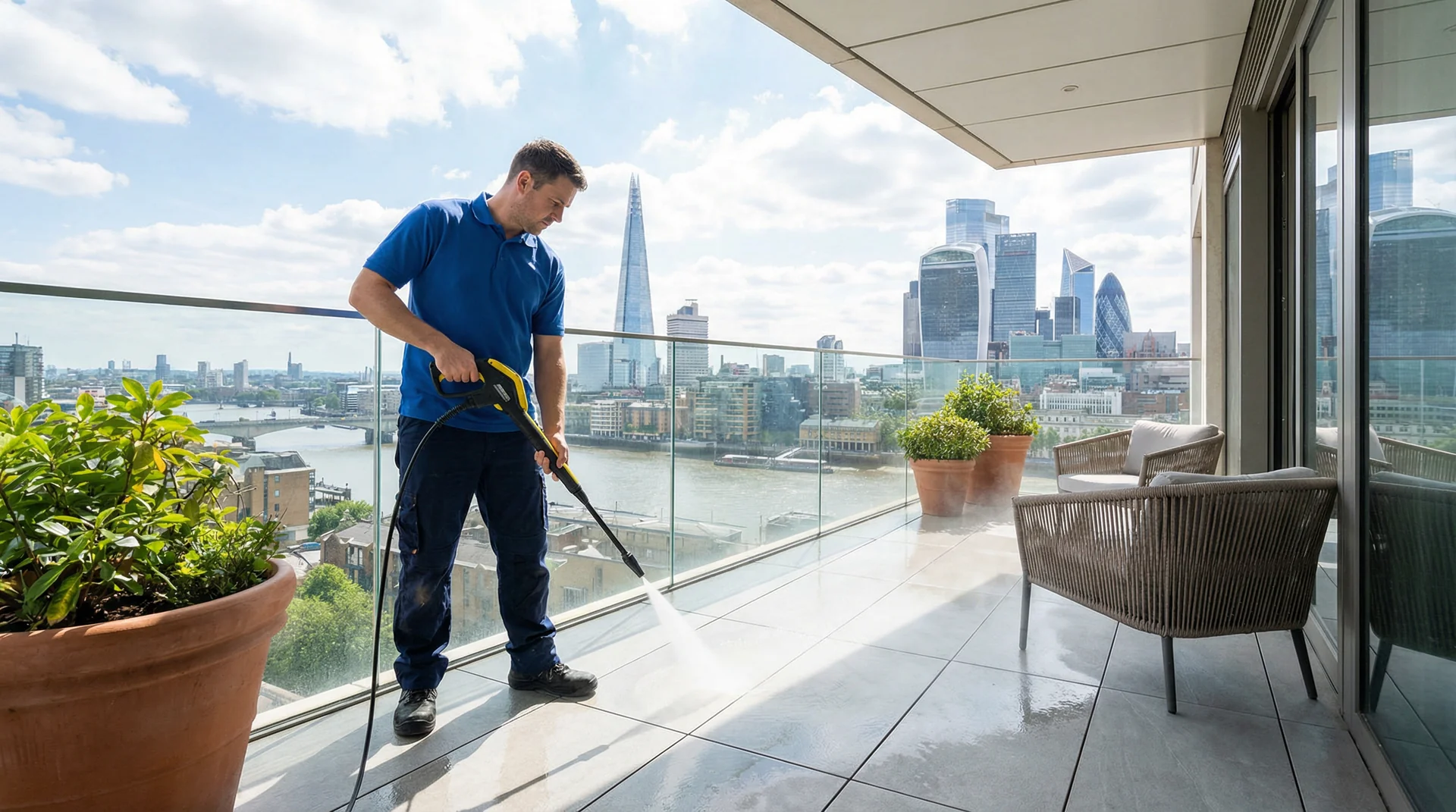
Spring Balcony Cleaning Checklist - Deep cleaning guide for spring season
1. Introduction
As winter fades and spring emerges, Londoners look forward to enjoying their outdoor spaces. For those with balconies, spring is the ideal time to revitalise these urban oases. A thorough spring clean is crucial for creating a healthy, inviting, and safe extension of your living space. London's damp and polluted climate can leave balconies with grime, debris, and hidden hazards. This guide provides a detailed spring balcony cleaning checklist, offering practical advice, London-specific considerations, and expert tips to ensure your balcony is sparkling and ready for the warmer months. Whether you're a gardener or simply enjoy a morning coffee with a view, a deep spring clean is essential for a season of enjoyment. For professional assistance, explore our services: /services [blocked].
2. Why Spring Cleaning Your Balcony is Essential in London
London's urban environment poses unique challenges for balcony maintenance. Frequent rain, occasional frost, dampness, and airborne pollutants from traffic and heating systems can severely impact outdoor spaces. Over winter, balconies can develop mould, mildew, and algae, making surfaces slippery and unsightly, and posing health risks. Accumulated debris can also attract pests and create stagnant water, breeding insects.
A clean balcony enhances your home's aesthetic appeal and property value. A well-maintained balcony reflects attention to detail and care, making it a more attractive feature. It transforms your balcony into a functional and enjoyable space for dining, gardening, or relaxing. Preparing your balcony for spring creates an inviting environment for outdoor living, allowing you to fully embrace the season.
3. The Ultimate Spring Balcony Cleaning Checklist
3.1. Pre-Cleaning Preparation
Before deep cleaning, systematic preparation saves time and effort. First, remove all items from your balcony, including furniture, plants, and decorations, to ensure unobstructed access to all surfaces. Inspect items for damage or wear, setting aside anything needing repair or disposal.
Next, sweep or vacuum to remove loose debris like leaves, dust, and grime accumulated over winter. A stiff broom or outdoor vacuum efficiently clears the top layer, preventing muddy residue when water is introduced. Focus on corners, crevices, and under fixed structures.
Finally, inspect for damage. Examine the structural integrity of railings, balustrades, and supports for rust, loose fixings, cracks, or deteriorating grout. Check flooring (wood, tiles, concrete, artificial grass) for wear, rot, or damage. Early identification prevents minor issues from becoming costly repairs.
3.2. Cleaning Surfaces
Flooring
The flooring type on your London balcony determines the best cleaning approach, as each material has specific needs. London's urban environment often leaves a distinct layer of grime from dust, soot, and pollution, requiring robust yet appropriate cleaning.
-
Wooden Decking: Sweep thoroughly. Use warm water and a mild, eco-friendly deck cleaner, scrubbing gently with a stiff brush in the direction of the wood grain. For stubborn dirt or mould, a low-setting pressure washer can be effective, but maintain distance to avoid splintering. Rinse and dry completely. Annual wood sealant or oil protects against London's damp climate and pollution.
-
Tiles (Ceramic, Porcelain, Stone): Sweep, then use warm water and a multi-surface cleaner. For grout, use a stiff brush and dedicated cleaner (or baking soda and vinegar paste for eco-friendly option) to tackle city grime. Rinse well. For natural stone, use pH-neutral cleaners to prevent etching.
-
Concrete: Durable but stain-absorbent. A mixture of warm water and strong detergent or specialized concrete cleaner, applied with a stiff brush, is effective. A pressure washer works well for deep stains. Ensure proper drainage to prevent moss and algae.
-
Artificial Grass: Remove debris, then use a stiff brush to lift the pile. A mild detergent solution cleans soiled areas. Rinse lightly. Pet owners can use specific artificial grass cleaners for odours and disinfection.
Railings
Balcony railings are exposed to elements, accumulating dirt, bird droppings, and rust. Cleaning improves appearance and extends lifespan.
-
Metal Railings (Iron, Aluminium): Wipe with warm soapy water. For iron rust, use a wire brush, then apply rust-inhibiting primer and paint. Aluminium, less prone to rust, can be restored with a gentle abrasive cleaner. Clean joints and crevices.
-
Glass Panels: For streak-free results, use glass cleaner or white vinegar and water. Wipe with a microfibre cloth or squeegee. This is vital for London balconies, where pollution quickly obscures views.
-
Wooden Railings: Clean with warm soapy water and a soft brush. Inspect for rot or splintering; re-stain or paint if needed to protect from moisture.
Walls and Ceilings
Don't forget balcony walls and ceilings, especially if partially enclosed, as they accumulate cobwebs, dust, and bird droppings.
-
Washing Down Surfaces: Gently wash painted or rendered walls with a soft brush or sponge and warm soapy water. Use a mild all-purpose cleaner for stubborn marks. Rinse thoroughly.
-
Dealing with Cobwebs and Bird Droppings: Use a long-handled brush or vacuum attachment for high cobwebs. For bird droppings, soften with a damp cloth before gently scraping to avoid damage. Disinfect the area afterwards.
Windows and Glass Panels
CClean windows and glass panels maximize light and views, especially for balconies with extensive glazing.
- Streak-Free Cleaning Techniques: Use a high-quality glass cleaner or equal parts white vinegar and distilled water. Apply with a spray bottle and wipe with a clean microfibre cloth or squeegee, working top to bottom in small sections. For external windows, consider professional services, especially for higher floors..
3.3. Furniture and Decor Cleaning
Outdoor furniture and decorations also need refreshing.
-
Washing Outdoor Furniture: Cleaning depends on material. Plastic furniture washes with warm soapy water. Metal furniture wipes down and polishes. Wooden furniture may need gentle scrubbing, re-oiling, or sealing. Check fabric cushions and slings for care labels; many are machine washable or spot-cleanable.
-
Cleaning Plant Pots and Planters: Empty old soil, scrub pots with a brush and soapy water to remove dirt, algae, and mineral deposits. Rinse and dry thoroughly before repotting to prevent plant diseases.
-
Washing Outdoor Textiles: Cushions, throws, and outdoor rugs collect dust and allergens. Follow care instructions for washing or spot cleaning. Ensure complete dryness before storing or placing back on the balcony to prevent mildew.
3.4. Plant Care and Greenery
Spring is ideal for rejuvenating balcony plants.
-
Repotting, Pruning, Refreshing Soil: Inspect plants. Repot overgrown or depleted ones. Prune dead or diseased foliage for new growth. Top up pots with fresh compost and slow-release fertilizer.
-
Cleaning Plant Leaves: Gently wipe dust and grime from leaves with a damp cloth to improve photosynthesis and health, especially important for London plants due to airborne pollutants.
-
Pest Inspection and Treatment: Examine plants for pests (e.g., aphids, spider mites). Address infestations early with organic pest control or insecticidal soap.
3.5. Drainage System Check
Proper drainage is a critical, often overlooked, aspect of balcony maintenance. Blocked drains cause water pooling, leading to structural damage, dampness, and mosquito breeding grounds.
-
Clearing Drains and Gutters: Inspect all balcony drainage points. Remove accumulated leaves, soil, or debris. Ensure small gutters or downpipes are clear and free-flowing. A plumber may be needed for persistent blockages.
-
Preventing Water Damage: Good drainage prevents water seepage into building structures or damp issues on the balcony. Regularly check that water runs off freely and doesn't collect in puddles after rain.
4. Eco-Friendly Cleaning Solutions for London Balconies
In environmentally conscious London, eco-friendly balcony cleaning is a responsible choice. These methods protect local wildlife, reduce chemical runoff, and are safer for health and plants.
-
DIY Natural Cleaners: Effective solutions can be made from household ingredients. White vinegar and water (1:1) cuts grime, disinfects, and removes mould from various surfaces. Baking soda acts as a gentle abrasive for stubborn stains or a grout cleaning paste. For degreasing, combine baking soda with liquid soap and warm water. These are beneficial in urban environments with high chemical exposure.
-
Safe Disposal of Cleaning Waste: Be mindful of wastewater disposal, even with natural products. Avoid direct runoff into storm drains. Collect and dispose of water responsibly, perhaps down an internal drain. For robust cleaning, consider biodegradable, non-toxic commercial outdoor cleaning products.
-
Importance of Non-Toxic Products for Urban Environments: London's urban biodiversity is delicate. Non-toxic products minimize harm to birds, insects, and wildlife, protect plants from chemical damage, and ensure a healthier environment for your family.
5. Professional Balcony Cleaning Services in London
While DIY cleaning is rewarding, professional assistance is invaluable for London residents with busy schedules, larger balconies, or specific cleaning challenges.
-
When to Consider Professional Help: For extensive mould/algae, deep stains, or specialized equipment needs (e.g., high-reach window cleaning), professional cleaners offer superior solutions. If you lack time, physical ability, or tools, outsourcing is practical.
-
Benefits of Professional Cleaning: Professionals offer specialized equipment (commercial pressure washers, eco-friendly agents, high-reach poles) for deeper, more efficient cleaning. Their expertise ensures correct methods for different materials and identifies overlooked issues. It's a significant time-saving option, allowing you to enjoy your revitalized balcony effortlessly. Many London companies tailor services to urban grime and pollution.
-
What to Expect from a Professional Service: A reputable London company typically offers comprehensive service: pre-clean assessment, debris removal, deep cleaning of all surfaces, mould/algae treatment, window cleaning, and final rinse. They should use eco-friendly products and ensure proper wastewater disposal. Always request a detailed quote and check insurance/references. For pricing and services, visit our /pricing [blocked] page, or /contact [blocked] us. We serve various London areas, including /areas/london [blocked].
6. Seasonal Maintenance Tips to Keep Your Balcony Pristine
A spring deep clean is a great start, but regular, lighter maintenance keeps your London balcony pristine and reduces intensive cleaning needs next year.
-
Regular Upkeep: Sweep weekly to remove leaves, dust, and debris. Wipe down surfaces after use to prevent dirt buildup. For plants, regular deadheading and watering maintain health and vibrancy.
-
Quick Cleaning: Keep a brush and dustpan for quick tidy-ups. Use a diluted all-purpose cleaner for spot cleaning spills or bird droppings. Wipe glass surfaces bi-weekly to prevent grime accumulation.
-
Protection Against London Elements: Use outdoor furniture covers during heavy rain or extended absences to protect from moisture and pollution. Ensure plants have good drainage to prevent waterlogging, common in London's climate. Regularly check for pests.
7. FAQ: Your Top Balcony Cleaning Questions Answered
Q: How often should I deep clean my balcony? A: A thorough deep clean, like the spring checklist outlined here, is recommended at least once a year, ideally in early spring. However, if your balcony is heavily used, exposed to significant pollution, or you have pets, a second deep clean in late summer or early autumn might be beneficial.
Q: What are the best products for cleaning balcony tiles? A: For most ceramic or porcelain tiles, a mixture of warm water and a mild, pH-neutral all-purpose cleaner is effective. For stubborn grout stains, a paste of baking soda and vinegar can work wonders. Always avoid harsh acidic cleaners on natural stone tiles, as they can cause etching. For heavy mould or algae, specific outdoor tile cleaners are available, but always check their environmental impact.
Q: Can I use a pressure washer on my balcony? A: A pressure washer can be very effective for cleaning tough dirt, mould, and grime from concrete and some tiled surfaces. However, caution is advised. Use a low-pressure setting and keep the nozzle at a safe distance, especially on wooden decking, painted surfaces, or older grout, as high pressure can cause damage. Always test on an inconspicuous area first. Be mindful of overspray, especially if you have neighbours below or adjacent balconies.
Q: How do I prevent birds from nesting on my balcony? A: Preventing birds can be challenging in London. Strategies include installing bird spikes or netting (ensure they are humane and not harmful to birds), using reflective deterrents (like old CDs or reflective tape), or placing plastic owls or other predator effigies. Keeping your balcony clean and free of food scraps will also make it less attractive to birds. Regularly checking for early signs of nest building and gently removing materials before eggs are laid is also effective.
Q: What should I do about stubborn stains from London pollution? A: London pollution often leaves dark, greasy stains. For these, a stronger degreasing cleaner may be necessary. For concrete or robust tiles, a dedicated outdoor cleaner designed to tackle urban grime can be effective. For other surfaces, a paste of baking soda and a little water, left to sit for 15-30 minutes before scrubbing, can help lift stains. Always test any strong cleaner on a small, hidden area first to ensure it doesn't discolour or damage the material.
8. Conclusion
Embrace spring with a freshly cleaned balcony, one of London's simple pleasures. This checklist transforms your outdoor space into a vibrant, inviting haven. From tackling city grime to nurturing plants, each step creates a healthier, more enjoyable environment. A clean balcony enhances well-being and adds significant home appeal. So, get ready to savour every moment on your pristine London balcony this spring. Ready for a spotless balcony without the effort? /contact [blocked] us today for a free quote on our expert cleaning services.
References
[1] The Royal Horticultural Society. (n.d.). Balcony Gardening. Retrieved from https://www.rhs.org.uk/gardening/advice/design/balcony-gardening [2] Gov.uk. (n.d.). Air pollution: daily air quality index. Retrieved from https://www.gov.uk/government/publications/air-pollution-daily-air-quality-index [3] The National Trust. (n.d.). How to clean garden furniture. Retrieved from https://www.nationaltrust.org.uk/features/how-to-clean-garden-furniture