How to Remove Stubborn Balcony Stains: A Comprehensive London Guide
I. Introduction
London balconies, cherished extensions of urban living, are constantly exposed to elements that lead to stubborn stains. From greasy BBQ residue and rust marks to pervasive mold and bird droppings, these blemishes detract from aesthetic appeal and can compromise longevity. A clean, well-maintained balcony enhances property value and provides a pleasant, hygienic space.
This comprehensive guide is designed for London residents, offering practical, effective, and safe methods to tackle challenging balcony stains. We'll cover common stain characteristics, essential tools, safety knowledge, and step-by-step removal instructions to restore your balcony to its pristine condition. Our aim is to empower you with the knowledge to keep your balcony looking its best, whether you're in a modern apartment in Canary Wharf or a period conversion in Kensington.
II. Understanding Common Balcony Stains
Effective stain removal begins with understanding the nature of the stain. Different types require specific approaches to prevent damage or worsening the problem.
A. Oil Stains (e.g., BBQ grease, spills)
Characteristics: Dark, greasy patches with a distinct sheen, often from cooking or spills. On porous surfaces like concrete, oil penetrates deeply.
Why they are stubborn: Oil seeps into microscopic pores, bonding with the material. It oxidizes and hardens over time, becoming highly resistant to simple washing.
B. Rust Stains (e.g., from metal furniture, railings)
Characteristics: Reddish-brown or orange marks, typically found around metal items. London's damp climate accelerates this process.
Why they are stubborn: Rust (oxidized iron) leaches into porous surfaces, bonding with the material and creating discoloration difficult to lift with conventional cleaners.
C. Mold and Mildew (e.g., due to London's damp climate)
Characteristics: Fuzzy or slimy growths, typically black, green, or white. They thrive in damp, shaded, and poorly ventilated areas, common in London's humid climate. A musty odor may be present.
Why they are stubborn: Mold and mildew are living organisms that send microscopic roots into porous surfaces, making them resilient. If not thoroughly eradicated, they quickly regrow, posing health risks and potential structural damage.
D. Bird Droppings (e.g., common in urban areas like London)
Characteristics: White, grey, or black, often pasty when fresh, drying to a hard, crusty deposit. The acidic nature can etch and discolor surfaces if left for extended periods.
Why they are stubborn: Fresh droppings are easy to remove, but dried ones are highly adhesive. Uric acid reacts with balcony materials, leading to permanent staining or etching.
III. Essential Tools and Safety Precautions
Effective and safe stain removal requires the right tools and a diligent approach to safety.
A. General Cleaning Supplies
- Stiff-bristled brushes: For scrubbing various surfaces.
- Buckets: For solutions, rinsing, and dirty water disposal.
- Microfiber cloths and sponges: For wiping, applying solutions, and drying.
- Plastic scraper: For carefully removing dried debris without damage.
- Hose or pressure washer: For rinsing. Use pressure washers with caution on durable surfaces.
B. Personal Protective Equipment (PPE)
Prioritize safety when handling cleaning agents:
- Gloves: Chemical-resistant (rubber or nitrile) to protect hands.
- Eye protection: Safety goggles to shield eyes from splashes.
- Face mask: Recommended for mold or dried bird droppings to prevent inhaling spores or dust.
- Sturdy footwear: Non-slip, closed-toe shoes for protection and traction.
C. Specific Cleaning Agents
Many household items are effective; commercial products are also available:
- Dish soap: Mild degreaser, good for oil and general cleaning.
- White vinegar: Natural acid, effective against mold, mildew, and some rust.
- Baking soda: Mild abrasive and deodorizer, useful as a paste.
- Bleach (diluted): Effective for mold and mildew, but use with extreme caution and ventilation. Never mix with other cleaners.
- Lemon juice: Acidic, helps break down rust and organic stains.
- Commercial cleaners: Specific products for oil, rust, or mold. Always follow instructions and test first.
D. London-Specific Considerations
Be mindful of local regulations and neighbours:
- Water disposal: Avoid chemical-laden water entering storm drains. Collect wastewater for proper disposal.
- Noise pollution: Be considerate when using pressure washers. Check building rules.
- Runoff: Prevent cleaning solutions from dripping onto lower balconies or public paths. Use tarps if needed.
- Balcony materials: Ensure methods and products are compatible with your balcony surface (concrete, stone, wood, metal).
IV. Step-by-Step Stain Removal Guides
A. Oil Stain Removal
Prompt action is key for oil stains.
1. Fresh Stains: Cover immediately with an absorbent (kitty litter, cornstarch, sawdust, baking soda). Let sit for several hours or overnight, then sweep away.
2. Set-In Stains:
- Absorbents: Apply fresh absorbent for 24-48 hours to draw out residual oil.
- Baking Soda Paste: Mix equal parts baking soda and water. Apply, let sit 30 minutes, scrub, and rinse.
- Dish Soap and Hot Water: Scrub with a solution for less severe stains.
- Commercial Degreasers: For tough stains, follow manufacturer instructions.
- Poultice Method: For deeply embedded stains, create a poultice using an absorbent (e.g., diatomaceous earth) and a solvent (e.g., acetone, mineral spirits). Mix to a peanut butter consistency, apply 1/4 to 1/2 inch thick over the stain, cover with plastic wrap and tape to prevent evaporation. Let dry completely (12-48 hours). Scrape off dried poultice, scrub, and rinse. Repeat if necessary.
- Pressure Washing (with caution): Use a fan-tip nozzle (25-40 degrees), maintain 12-18 inches distance, use even strokes. Test first. Be mindful of London-specific runoff and noise.
B. Rust Stain Removal
Rust stains require acidic treatments.
1. DIY Solutions:
- White Vinegar: Soak a cloth in undiluted white vinegar, place over stain for several hours/overnight. Scrub and rinse.
- Lemon Juice and Salt: Sprinkle salt over stain, add lemon juice to form a paste. Let sit 2-3 hours, scrub, and rinse. Effective on lighter surfaces.
2. Commercial Rust Removers: For stubborn stains, use products like CLR or Iron Out. Follow instructions strictly, test first, and ensure ventilation. Rinse thoroughly and neutralize if recommended.
3. Advanced Rust Stain Removal Techniques:
- Oxalic Acid-Based Removers: Reacts with iron oxides. Apply, dwell (15-30 mins), scrub, rinse. Use PPE (gloves, eye protection, respirator) and ensure ventilation. Neutralize runoff.
- Phosphoric Acid-Based Removers: Converts iron oxide to iron phosphate. More corrosive; strict PPE and ventilation required. Test first.
- Chelating Agents (e.g., EDTA): Gentler, binds to metal ions. Apply, soak (hours to overnight), scrub, rinse. Safer, but still wear gloves and eye protection.
- Electrolytic Rust Removal (for metal components): Uses electric current to reverse oxidation. Requires power supply, electrolyte, and sacrificial anode. Extreme caution with electricity and chemicals is necessary.
4. Prevention is Key: Use protective pads under metal furniture, seal metal surfaces with rust-inhibiting coatings, and ensure proper drainage to prevent standing water.
C. Mold and Mildew Removal
Target fungi and address moisture issues.
1. DIY Solutions:
- White Vinegar: Spray undiluted vinegar onto mold, let sit for an hour, scrub, and rinse. Smell dissipates as it dries.
- Baking Soda Paste: Mix baking soda with water, apply, let sit 15-20 minutes, scrub, and rinse. Deodorizes.
2. Bleach Solution (Use with Extreme Caution): For severe mold on non-porous, bleach-safe surfaces. Mix 1 part bleach with 10 parts water. Apply, let sit 10-15 minutes, scrub, and rinse thoroughly. NEVER mix bleach with vinegar or ammonia. Test first. Wear PPE and ensure ventilation.
3. Commercial Mold and Mildew Removers: Follow manufacturer instructions, paying attention to safety and material compatibility.
4. Preventing Mold and Mildew Recurrence: Given London's often damp and temperate climate, preventing mold and mildew recurrence on balconies requires a proactive approach. This includes improving air circulation by strategically placing furniture to avoid stagnant air, regularly sweeping and cleaning to remove debris that traps moisture, and considering a small outdoor-rated fan for enclosed or shaded balconies. Moisture control measures are also vital: regularly inspect for leaks, ensure proper drainage, avoid overwatering plants and empty saucers regularly, and wipe down non-porous surfaces after rain. Utilizing natural light by pruning overhanging vegetation and strategically managing awnings/umbrellas can also inhibit mold. Applying protective coatings like breathable sealants for porous surfaces and anti-mold paints for painted areas adds another layer of defense. London-specific tips include post-rain wipe-downs, thorough winter preparation, and ensuring adequate ventilation in enclosed balconies.
D. Bird Dropping Removal
Prompt and proper removal is essential for hygiene and to prevent permanent staining.
1. Immediate Action for Fresh Droppings: Gently scrape with a plastic scraper, then wipe with a damp cloth and mild dish soap. Rinse.
2. Methods for Dried and Hardened Droppings:
- Warm Water Soak: Place a warm, wet cloth over droppings for 10-15 minutes to rehydrate. Scrape, then clean with dish soap and water. Rinse well.
- WD-40 or Seltzer Water (for very stubborn spots): Spray small amount, let sit, then wipe. Always test these on an inconspicuous area first, as they might affect certain balcony materials.
3. Safety Precautions for Bird Dropping Cleanup: Wear gloves, a face mask, and eye protection due to potential pathogens.
4. Bird Deterrents for London Balconies: Install bird spikes, netting, reflective objects, or ultrasonic devices. Remove food sources.
V. Comparison Table of Stain Removal Methods
| Stain Type | DIY Method | Commercial Product | Best For |
|---|---|---|---|
| Oil | Baking soda paste, dish soap | Degreasers, poultices | Concrete, stone |
| Rust | Lemon juice & salt, vinegar | Rust removers (e.g., CLR, Iron Out) | Metal, concrete |
| Mold/Mildew | Vinegar solution, baking soda | Mold & mildew removers | All surfaces |
| Bird Droppings | Soap and water | WD-40, seltzer water | All surfaces |
VI. When to Call the Professionals
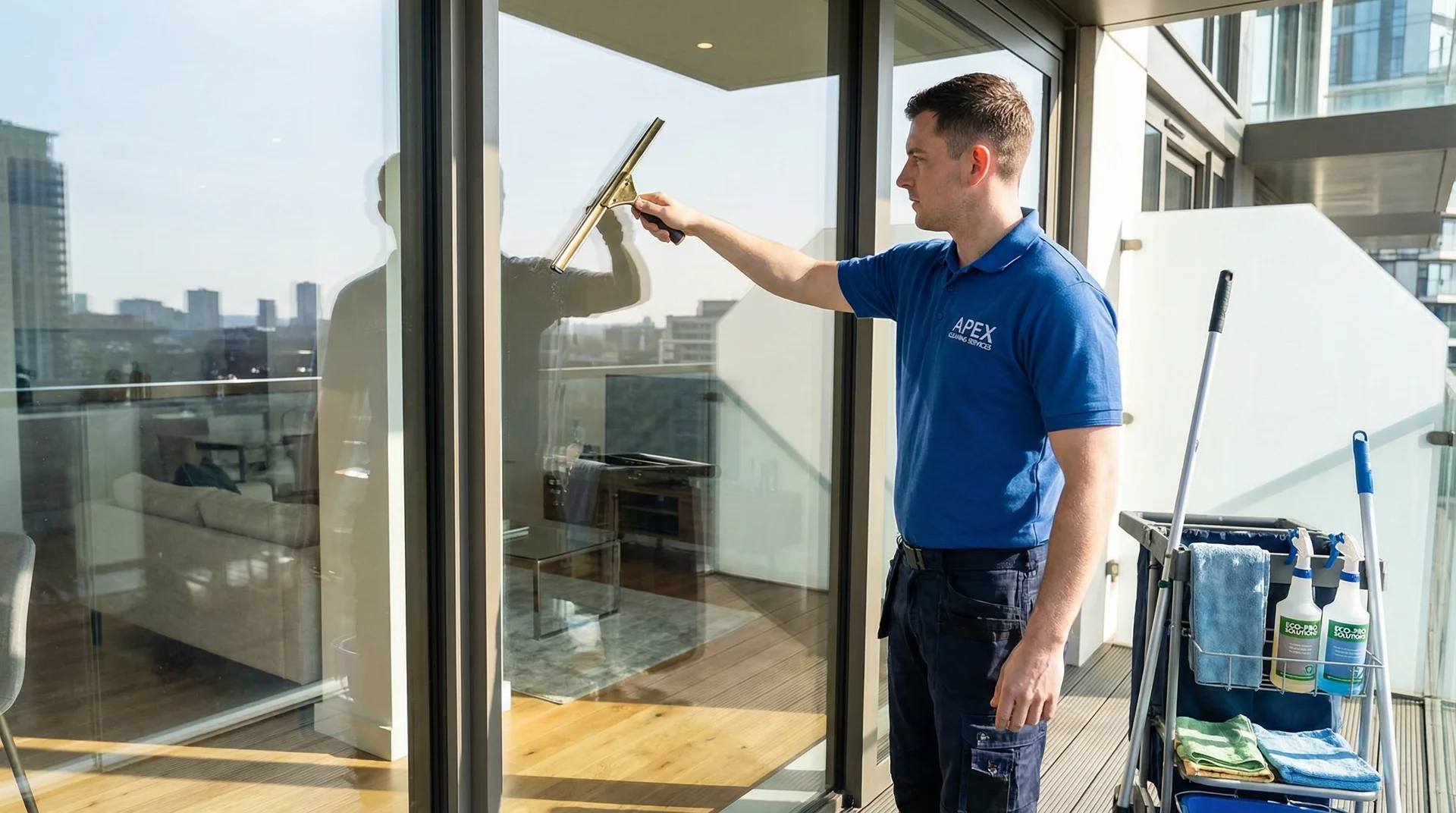
For deep-set stains, large affected areas, or delicate balcony materials, consider hiring a professional cleaning service. Our team at [Your Company Name] has the expertise and equipment to safely and effectively restore your balcony. We offer specialized treatments for all types of stains and surfaces. Contact us [blocked] for a free consultation. We serve all of London, including Kensington [blocked], Chelsea [blocked], Canary Wharf [blocked], and Hampstead [blocked].
VII. Frequently Asked Questions (FAQ)
Q: How often should I clean my balcony?
A: A general clean every 1-2 months is recommended, with immediate attention to spills and stains.
Q: Can I use a pressure washer on my balcony?
A: It depends on the surface. Concrete can usually handle it, but wood or delicate tiles may be damaged. Always use the lowest pressure setting and test on a small area first.
Q: Are the cleaning solutions safe for my plants?
A: Most cleaning agents can harm plants. Cover them or move them before you start cleaning.
Q: How can I prevent stains from recurring?
A: Regular cleaning, using protective mats under furniture, sealing porous surfaces, and addressing moisture issues are key to prevention. Given London's often damp and temperate climate, preventing mold and mildew recurrence on balconies requires a proactive approach. This includes improving air circulation by strategically placing furniture to avoid stagnant air, regularly sweeping and cleaning to remove debris that traps moisture, and considering a small outdoor-rated fan for enclosed or shaded balconies. Moisture control measures are also vital: regularly inspect for leaks, ensure proper drainage, avoid overwatering plants and empty saucers regularly, and wipe down non-porous surfaces after rain. Utilizing natural light by pruning overhanging vegetation and strategically managing awnings/umbrellas can also inhibit mold. Applying protective coatings like breathable sealants for porous surfaces and anti-mold paints for painted areas adds another layer of defense. London-specific tips include post-rain wipe-downs, thorough winter preparation, and ensuring adequate ventilation in enclosed balconies.
Q: What if my balcony material is delicate, like natural stone?
A: For delicate materials, always use the mildest cleaning solutions first and test on an inconspicuous area. Avoid harsh acids or abrasive scrubbers. Professional cleaning is often the safest option for valuable or sensitive surfaces.
VIII. Conclusion
Maintaining a clean, stain-free balcony in London is achievable with the right knowledge and tools. By following this guide, you can tackle even the most stubborn stains and enjoy your outdoor space to the fullest. For professional help, don't hesitate to reach out to us [blocked]. Our services [blocked] are designed to meet your specific needs, and you can find more information on our pricing [blocked] page. Let us help you make your balcony a beautiful and inviting extension of your home.