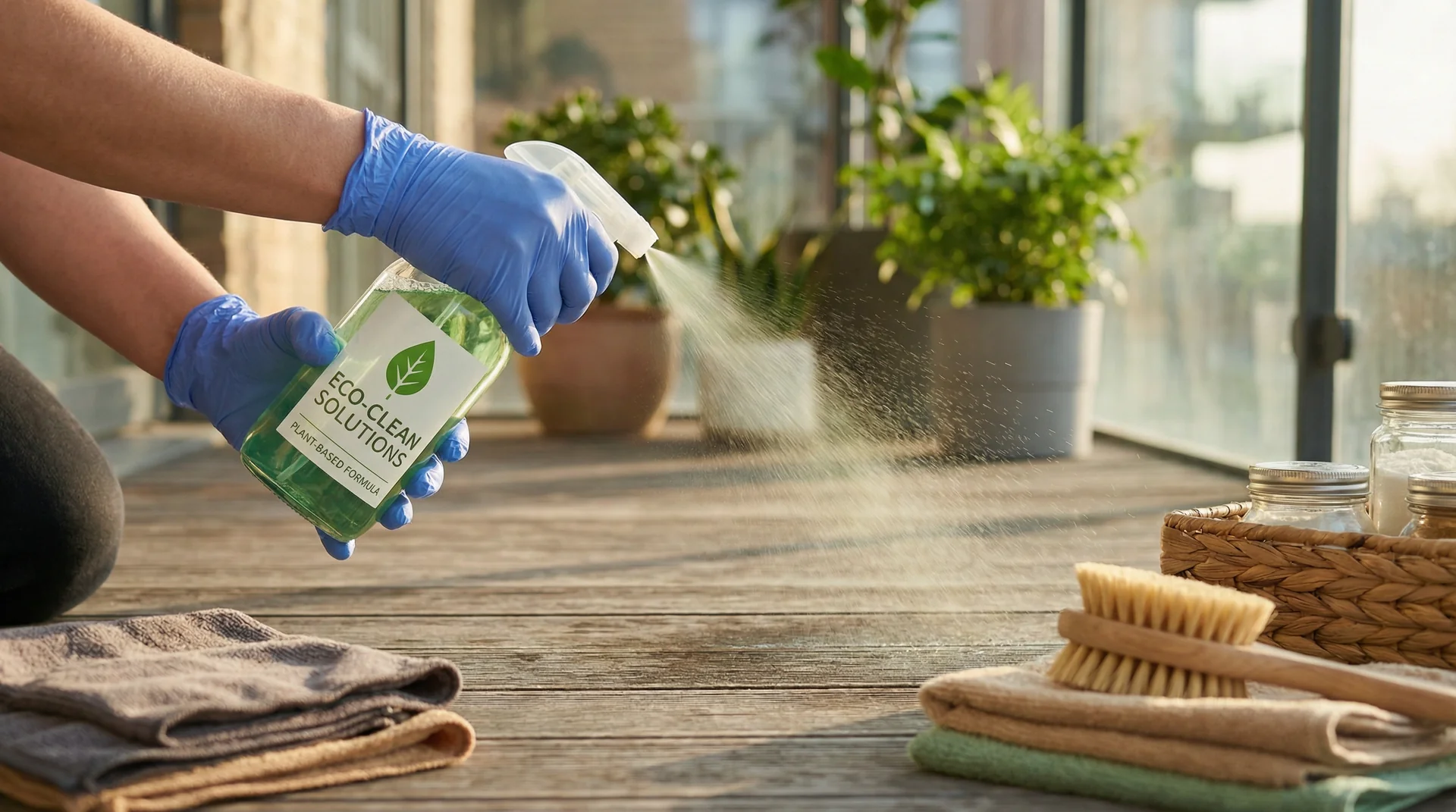
Balcony Furniture Cleaning and Protection - Cleaning and maintaining outdoor furniture
I. Introduction
London balconies are invaluable extensions of our living spaces, but the city's fluctuating weather, pollution, and diverse architectural styles present unique challenges for maintaining outdoor furniture. Neglect diminishes aesthetic appeal and shortens lifespan. This comprehensive guide, from the London Balcony Cleaning Company, details essential practices for cleaning, maintaining, and protecting your outdoor furniture, covering material types, step-by-step instructions, robust protection strategies, and the benefits of professional intervention.
II. Understanding Your Balcony Furniture Materials
Effective balcony furniture care begins with understanding its materials. Each material has distinct characteristics and vulnerabilities, dictating appropriate cleaning and protection methods. Incorrect application of cleaning agents can cause irreversible damage, making material identification crucial for preserving your outdoor investment.
Wood Furniture (Teak, Acacia, Cedar, Eucalyptus, etc.)
Wood furniture exudes natural elegance and warmth, making it a popular choice for London balconies. However, its organic nature means it requires specific care to withstand the elements.
Characteristics and Common Issues: Teak is durable and naturally resistant to rot, but can accumulate dirt and mildew. Acacia, a dense hardwood, resists moisture but can fade. Cedar is insect-resistant but softer. Eucalyptus, a sustainable hardwood, needs regular oiling to prevent drying and cracking.
Specific Cleaning Considerations: In London's damp climate, wood furniture is prone to mold, mildew, algae, fading, and grime. Regular cleaning is crucial to prevent deep-seated issues.
Metal Furniture (Wrought Iron, Aluminum, Stainless Steel)
Metal furniture offers durability, sleek aesthetics, and often a contemporary feel, fitting well with many modern London balcony designs.
Characteristics and Common Issues: Wrought iron is strong but prone to rust if its coating is compromised. Aluminum is lightweight and rust-resistant, but can oxidize and dull. Stainless steel resists corrosion but can develop surface rust and show fingerprints.
Specific Cleaning Considerations: London's air quality, rain, and humidity contribute to metal furniture tarnishing, corrosion, and water spots. Regular cleaning preserves finish and integrity.
Wicker and Rattan Furniture (Natural and Synthetic)
Wicker and rattan furniture bring a touch of natural texture and comfort to any balcony. It's important to distinguish between natural and synthetic varieties, as their care differs significantly.
Characteristics and Common Issues: Natural wicker/rattan is lightweight but can become brittle, crack, or unravel with moisture/sun, and is prone to mildew and dust. Synthetic wicker offers superior durability, resisting UV and moisture, but can still experience fading, minor scratches, and dirt accumulation.
Specific Cleaning Considerations: Wicker and rattan's intricate weaves trap dust and grime, leading to deterioration. Natural wicker is especially vulnerable to moisture damage.
Plastic and Resin Furniture
Plastic and resin furniture are celebrated for their affordability, lightweight nature, and ease of maintenance, making them a practical choice for many London balconies.
Characteristics and Common Issues: Plastic (e.g., polypropylene) is durable and waterproof but can become brittle with UV exposure and is susceptible to stains and dullness. Resin, a higher-grade plastic, offers greater durability but shares similar vulnerabilities.
Specific Cleaning Considerations: Though forgiving, plastic/resin furniture can show London's urban grime and spills. Regular cleaning prevents stains and maintains brightness.
Fabric Cushions and Upholstery
Outdoor fabric cushions and upholstery add comfort and a splash of color to balcony furniture. Their care is paramount for hygiene and longevity.
Characteristics and Common Issues: Most outdoor cushions are made from durable, weather-resistant fabrics like solution-dyed acrylic (e.g., Sunbrella), polyester, or olefin. These fabrics are designed to resist fading, mildew, and water.
Common Issues: Despite their resilience, outdoor fabrics are prone to: Outdoor fabrics are prone to mildew and mold growth in humid conditions, stains from various sources, fading from sun exposure, and odor from moisture.
Specific Cleaning Considerations: Prompt spill attention and regular cleaning prevent permanent stains and mildew. Proper drying avoids odors and fabric degradation.
III. Essential Cleaning Tools and Supplies
Effective balcony furniture cleaning relies on having the right tools and supplies. For general grime, a mild soap solution (e.g., dish soap and warm water) is often sufficient. Diluted white vinegar (equal parts vinegar and water) acts as a natural disinfectant and deodorizer, tackling mildew and hard water stains on plastics and metals. Baking soda, as a paste with water, offers a gentle abrasive for stubborn stains. Specialized outdoor furniture cleaners are also available for materials like teak or specific metals, addressing issues such as wood graying or metal oxidation; always check product labels for compatibility and safety.
Essential cleaning tools include soft-bristled brushes for intricate weaves, sponges and microfiber cloths for application and streak-free drying, and two buckets (one for solution, one for rinse water). A garden hose with an adjustable spray nozzle is useful for rinsing. A vacuum cleaner with a brush attachment effectively removes dust and debris from wicker, rattan, and fabric cushions before wet cleaning. Always wear protective gear like rubber gloves and eye protection.
Pressure washers, while effective for durable surfaces like plastic or some metals, must be used with extreme caution. High pressure can damage wood, strip finishes, fray wicker, and tear fabric. If used, opt for the lowest pressure setting, a wide-angle nozzle, and maintain distance. They are generally not recommended for delicate pieces, and for London balconies, consider overspray on neighboring properties. With these basic tools and supplies, you can effectively maintain your outdoor space.
IV. Step-by-Step Cleaning Guide for Each Material
Before material-specific cleaning, always remove loose debris with a brush or vacuum to prevent muddy streaks. Crucially, test any cleaning solution on an inconspicuous area first to ensure it doesn't cause discoloration or damage.
Wood Furniture Cleaning
For wooden furniture, gently wash with mild soap and warm water, scrubbing along the grain with a soft-bristled brush. For mold/mildew, apply a diluted white vinegar solution, let sit, then scrub. Rinse thoroughly with clean water and dry completely in a well-ventilated area to prevent water spots and mildew. For weathered wood, light sanding can prepare for refinishing with wood oil or sealant.
Metal Furniture Cleaning
Clean metal furniture with mild soap and water, rinsing and drying immediately. For wrought iron rust, apply a baking soda paste or white vinegar solution, scrub with a wire brush/steel wool, then rinse and dry. For aluminum oxidation, use an aluminum cleaner or white vinegar. Clean stainless steel with mild detergent and water, then polish with a stainless steel cleaner. Regular waxing or protective coatings prevent rust and oxidation.
Wicker and Rattan Furniture Cleaning
For wicker and rattan, vacuum or dust thoroughly to remove debris. For natural wicker, gently wipe with a damp cloth and mild soap, avoiding saturation. For synthetic wicker, wash more thoroughly with mild soap and water, using a soft brush for weaves. Rinse both (lightly for natural) and dry completely in a well-ventilated area to prevent mildew.
Plastic and Resin Furniture Cleaning
Plastic and resin furniture are easy to clean. Wash with mild soap and warm water, scrubbing grime with a soft brush or sponge. For tougher stains, use a baking soda paste. A diluted white vinegar solution can restore shine. Rinse thoroughly and wipe dry with a microfiber cloth to prevent water spots. For stubborn stains or faded appearance, use specialized plastic furniture cleaners.
Fabric Cushions and Upholstery Cleaning
For fabric cushions, check care labels; some covers are machine-washable. Spot clean spills immediately. For general cleaning, use mild soap and water with a soft brush. For mildew, spray a 1:2 white vinegar-water solution, let sit, then scrub and rinse. Rinse thoroughly to remove all soap. Crucially, dry cushions completely by standing them on their sides or hanging them to ensure maximum air circulation, preventing mildew. In London's damp conditions, bring cushions indoors during prolonged wet weather or overnight.
V. Protection and Maintenance Strategies
Beyond regular cleaning, implementing robust protection and maintenance strategies is crucial for extending the life and preserving the aesthetic appeal of your balcony furniture, especially in London's challenging urban environment. Proactive measures can significantly reduce the frequency and intensity of deep cleaning required.
Weather Protection
London's weather is famously unpredictable, with rain, wind, and occasional harsh sunlight. Protecting your furniture from these elements is paramount.
High-quality, waterproof, and breathable furniture covers are essential for protecting balcony furniture from London's unpredictable weather, shielding it from rain, UV rays, dust, and bird droppings. Choose durable materials like polyester with PVC backing and secure fastenings. Regularly check for condensation and air out furniture to prevent mildew. For winter, indoor storage is ideal. If not possible, clean, dry, and securely cover furniture, elevating it slightly off the ground to prevent moisture accumulation.
UV Protection
While London might not always boast scorching sun, UV radiation is present even on cloudy days and can cause significant damage over time, leading to fading, brittleness, and degradation of materials. UV radiation, even on cloudy London days, causes fading, brittleness, and material degradation. While many outdoor plastics and fabrics have built-in UV inhibitors, their effectiveness can diminish. Apply UV-protective sprays or waxes to plastic furniture to maintain color and prevent brittleness. Use UV-resistant fabric protector sprays on cushions for extended vibrancy. Wooden furniture, such as teak, acacia, and eucalyptus, benefits from regular application of oils or sealants to maintain color, nourish the timber, and create a protective barrier against moisture and UV rays. Always clean and dry wood thoroughly before application, following manufacturer instructions.
Rust Prevention for Metal
Rust is the nemesis of wrought iron and can even affect stainless steel in London's humid and sometimes polluted atmosphere. Prevention is key.
Rust is a significant concern for wrought iron and can affect stainless steel in London's humid atmosphere. Prevent it by applying automotive wax or clear protective sealant to metals after cleaning, creating a barrier against moisture and oxygen. Regular touch-ups of chipped paint are crucial. For stainless steel, specialized protectors prevent tea staining. Periodically inspect all metal furniture for rust, chips, or compromised coatings, addressing issues promptly by sanding rust spots and applying rust-inhibiting primer before repainting or sealing.
Mold and Mildew Prevention
London's damp climate makes balcony furniture particularly susceptible to mold and mildew. Prevention focuses on minimizing moisture and promoting air circulation.
London's damp climate makes balcony furniture prone to mold and mildew. Prevent this by minimizing moisture and promoting air circulation. Ensure proper drainage on your balcony, avoiding water pooling. Use drip trays for potted plants. Regular cleaning removes organic matter. Crucially, thoroughly dry all furniture, especially cushions and intricate weaves, after cleaning or rain. Bring cushions indoors during prolonged wet periods. Ensure good air circulation around furniture, avoiding tight placement against walls or in shaded areas.
VI. Comparison Table: Furniture Material Care at a Glance
To provide a quick reference for London balcony owners, the following table summarizes the key cleaning and protection considerations for various common furniture materials.
| Material Type | Cleaning Frequency | Recommended Cleaning Products | Protection Methods |
|---|---|---|---|
| Wood | Quarterly (deep clean), Monthly (light clean) | Mild soap & water, White vinegar (for mold), Wood cleaner, Fine-grit sandpaper | Wood oils/sealants, UV-protective sprays, Furniture covers, Winter storage |
| Wrought Iron | Monthly (light clean), Bi-annually (deep clean) | Mild soap & water, Baking soda/vinegar (for rust), Commercial rust removers | Automotive wax, Protective coatings, Rust-inhibiting primer, Furniture covers |
| Aluminum | Monthly | Mild soap & water, Aluminum cleaner, White vinegar (for oxidation) | UV-protective sprays, Furniture covers, Regular drying |
| Stainless Steel | Monthly | Mild soap & water, Stainless steel cleaner/polish | Protective coatings, Regular drying, Furniture covers |
| Natural Wicker/Rattan | Monthly (dust/vacuum), Quarterly (light clean) | Mild soap & water (damp cloth), Soft brush, Vacuum cleaner | Furniture covers, Indoor storage (winter), Avoid saturation |
| Synthetic Wicker | Monthly (light clean), Quarterly (deep clean) | Mild soap & water, Soft brush, All-purpose cleaner | UV-protective sprays, Furniture covers, Regular rinsing |
| Plastic/Resin | Monthly | Mild soap & water, Baking soda paste (for stains), White vinegar | UV-protective sprays, Furniture covers, Regular wiping |
| Fabric Cushions | Weekly (spot clean), Monthly (full wash) | Mild soap & water, Outdoor fabric cleaner, White vinegar (for mildew) | Fabric protector sprays, Furniture covers, Indoor storage (wet weather), Thorough drying |
VII. Professional Balcony Furniture Cleaning Services in London
While this guide provides comprehensive instructions for DIY balcony furniture care, there are instances where professional intervention is not just convenient but highly recommended. For London residents, the unique challenges of urban living, coupled with time constraints and the desire for optimal results, often make professional cleaning a superior choice. The London Balcony Cleaning Company specializes in rejuvenating and protecting outdoor furniture, offering tailored solutions that go beyond what typical homeowners can achieve.
When to Consider Professional Help
Professional intervention is recommended for deep-seated grime, stubborn stains, or extensive mold/mildew that DIY methods can't resolve. Professionals use industrial-grade equipment and specialized agents to restore furniture without damage. For delicate or valuable pieces, expert care minimizes risk. For busy Londoners, professional services offer convenience, saving time and effort. A professional deep clean is also ideal for pre-season preparation or post-winter revival, ensuring furniture is ready for use.
Benefits of Hiring a Specialist (e.g., London Balcony Cleaning Company)
Engaging a specialist like the London Balcony Cleaning Company offers several distinct advantages: The London Balcony Cleaning Company offers expertise in various furniture materials and safe cleaning techniques, understanding London's climate challenges. We use professional-grade equipment and eco-friendly solutions for deeper cleaning and better protection. Our services enhance furniture appearance and longevity by addressing rust, rot, and degradation. Outsourcing saves time and effort, providing peace of mind with guaranteed high-standard results.
To learn more about our comprehensive services and how we can transform your balcony furniture, please visit our services page [blocked] or contact us [blocked] directly for a personalized consultation. We are dedicated to helping Londoners maintain beautiful, inviting outdoor spaces.
VIII. DIY vs. Professional Cleaning: A Londoner's Perspective
For London residents, choosing between DIY and professional balcony furniture cleaning involves balancing time, cost, and desired results. DIY cleaning is cost-effective and offers personal control, but London's limited balcony space, urban pollutants, and the need for specialized knowledge can make it time-consuming and potentially damaging if done incorrectly.
Professional cleaning, like that offered by the London Balcony Cleaning Company, provides specialized expertise, industrial-grade equipment, and effective cleaning agents for thorough and safe restoration, especially for delicate materials, stubborn stains, or severe mold. This offers convenience, saves time, and often includes protective treatments that extend furniture lifespan and enhance resistance to urban grime and weather. While the initial cost is higher, the superior results, extended furniture lifespan, and peace of mind can make it a worthwhile investment for maintaining outdoor furniture in a bustling city like London.
IX. Frequently Asked Questions (FAQ)
Here are some common questions London balcony owners have about cleaning and protecting their outdoor furniture:
How often should I clean my balcony furniture?
For London balconies, a light clean monthly prevents grime. Deep cleaning, addressing stains or mildew, should be quarterly or bi-annually, especially before and after peak seasons. Furniture exposed to heavy pollution may need more frequent attention.
Can I use a pressure washer on all types of furniture?
No, use pressure washers with extreme caution. High pressure can damage wood, fray wicker, and tear fabric. If used, opt for the lowest setting, a wide-angle nozzle, and maintain distance. Manual cleaning is recommended for delicate pieces.
How do I remove stubborn stains from fabric cushions?
For fabric cushion stains, blot spills immediately. Use mild soap and water with a soft brush for general dirt. For mildew, spray a 1:2 white vinegar-water solution, let sit, then scrub and rinse. Always test cleaners first and ensure cushions are completely dry before storage.
What's the best way to store furniture during winter in London?
Store balcony furniture indoors during London's winter if possible. If not, clean and dry thoroughly, then cover with high-quality, waterproof, breathable covers. Elevate furniture to prevent moisture. Apply fresh oil/sealant to wood before winter storage.
Why is professional cleaning beneficial for my London balcony?
Professional cleaning offers expertise, industrial-grade equipment, and specialized products to tackle deep grime, stubborn stains, and extensive mold/mildew. It saves time and effort, extends furniture longevity, and provides superior protection against London's urban pollutants and weather. contact us [blocked] to learn more.
X. Conclusion
Maintaining your balcony furniture in London is an investment in both the aesthetics and longevity of your outdoor living space. As we have explored, understanding the specific needs of different materials, employing the right cleaning techniques, and implementing proactive protection strategies are all crucial steps. From combating the unique challenges of urban pollution and unpredictable weather to preventing mold and rust, regular care ensures your furniture remains a welcoming haven for relaxation and enjoyment. While DIY methods are effective for routine upkeep, remember that professional services, such as those offered by the London Balcony Cleaning Company, provide an invaluable solution for deep cleaning, restoration, and long-term preservation, especially when faced with stubborn issues or time constraints.
Don't let the demands of city life diminish the beauty and functionality of your balcony. With consistent attention and the right approach, your outdoor furniture can continue to enhance your London home for many years to come. Ready to give your balcony furniture the care it deserves? Visit our pricing page [blocked] for a detailed quote, explore our services in your specific London borough [blocked], or simply contact us [blocked] today to discuss how we can help you maintain a pristine and inviting outdoor sanctuary.