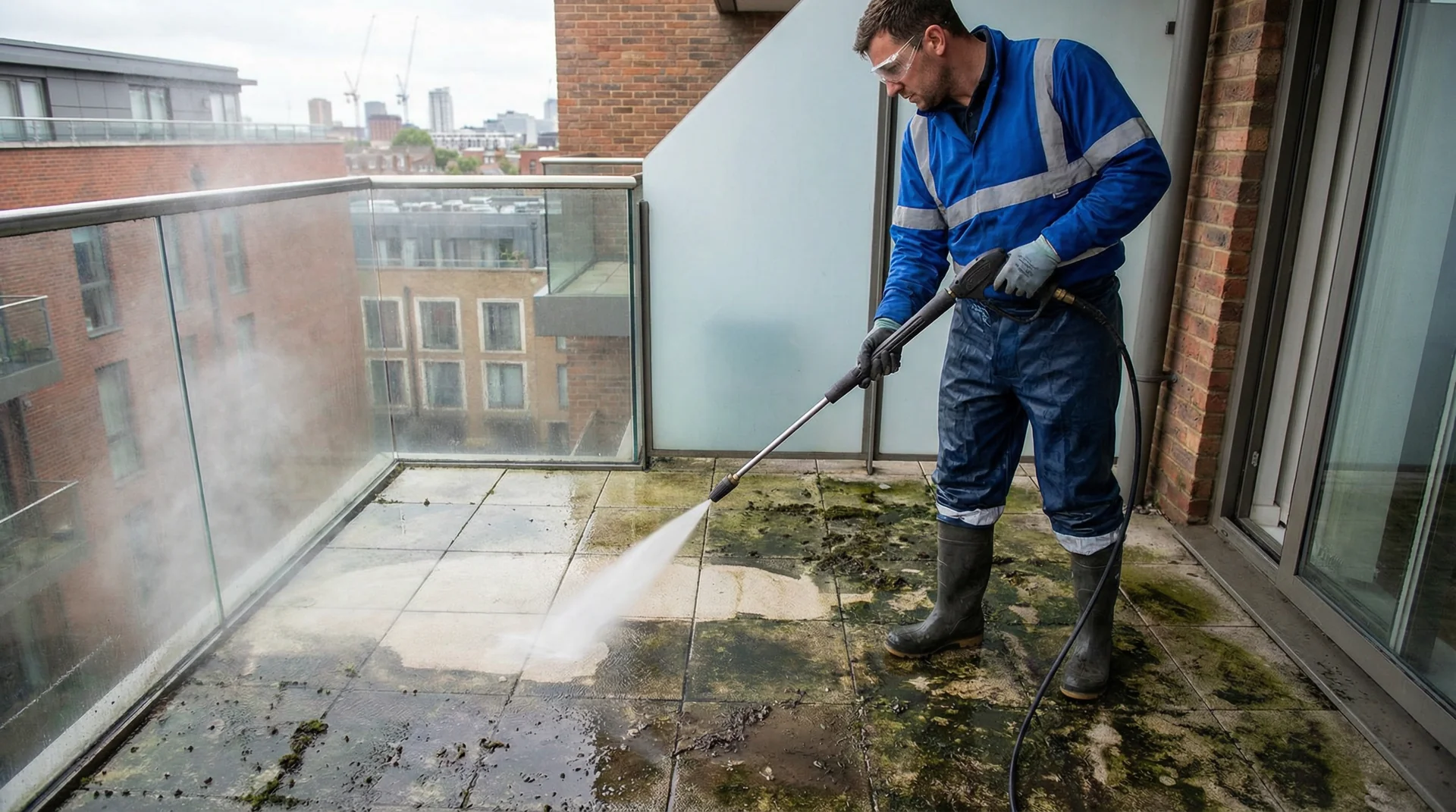
Common Balcony Cleaning Mistakes to Avoid - Errors that damage surfaces or waste money
Introduction
London balconies, whether a compact Juliet or a sprawling terrace overlooking the Thames, offer a precious slice of outdoor living in a bustling city. They serve as personal sanctuaries, urban gardens, or simply a breath of fresh air. However, maintaining these outdoor spaces in a city like London comes with its unique challenges. From persistent urban grime and pollution to the unpredictable British weather, balconies are constantly exposed to elements that can lead to rapid deterioration if not properly cared for. Unfortunately, many residents inadvertently make common cleaning mistakes that not only fail to achieve a sparkling clean but can also cause significant damage to surfaces, leading to costly repairs or even compromising the structural integrity of their beloved outdoor retreats. This comprehensive guide will delve into these prevalent errors, offering practical advice and London-specific insights to help you avoid them, ensuring your balcony remains a beautiful, safe, and valuable extension of your home.
1. Using the Wrong Cleaning Products
One of the most frequent and damaging mistakes in balcony cleaning is the indiscriminate use of cleaning products. Balconies are constructed from a diverse range of materials, including wood, concrete, natural stone, tiles, glass, and various metals for railings. Each material possesses distinct properties and reacts differently to various chemicals. Applying a harsh, acidic cleaner designed for concrete to delicate natural stone, for instance, can lead to irreversible etching, discoloration, and degradation of the surface. Similarly, using abrasive cleaners on glass or polished metal can result in scratches and dullness.
In London, where balconies are often exposed to a unique cocktail of exhaust fumes, industrial pollutants, and biological growth (like moss and algae encouraged by damp conditions), the temptation might be to reach for the strongest cleaner available. However, this approach is often counterproductive. Harsh chemicals not only risk damaging your balcony surfaces but can also be detrimental to the environment, harming nearby plants, and potentially washing into drainage systems. Furthermore, they can leave behind residues that attract more dirt or become slippery when wet, posing a safety hazard.
Solution: The key lies in identifying your balcony's specific materials and selecting pH-neutral or specialized cleaners formulated for those surfaces. Always read product labels carefully. Before applying any new cleaner to the entire surface, perform a patch test in an inconspicuous area to observe its reaction. For general cleaning, a mild detergent and warm water are often sufficient. For more stubborn London grime, consider eco-friendly, biodegradable options that are tough on dirt but gentle on surfaces and the environment. Our services [blocked] page provides more details on our material-specific cleaning approaches.
2. Over-Reliance on High-Pressure Washing
High-pressure washing might seem like a quick and effective solution for blasting away accumulated dirt and grime, especially on larger balcony spaces. However, this powerful tool is a double-edged sword and its misuse is a common mistake that can lead to significant damage. The intense force of the water jet can erode softer materials like wood, composite decking, and even some types of natural stone. It can strip away sealants, dislodge grout from tiled surfaces, and force water into cracks and crevices, leading to deeper structural issues, especially in older London buildings where mortar and brickwork might be more fragile.
For balconies on upper floors, excessive pressure washing can also pose a risk to lower flats, causing water ingress and damage to their properties. The high pressure can also damage delicate balcony railings, glass panels, and even dislodge paint or protective coatings, accelerating wear and tear.
Solution: While pressure washing can be useful for certain robust surfaces like concrete, it should be used with extreme caution. Opt for the lowest effective pressure setting and use a wide-angle nozzle to disperse the force. Keep the nozzle at a safe distance from the surface and move it continuously to avoid concentrating the spray in one spot. For more delicate materials, manual scrubbing with a soft brush and appropriate cleaning solutions is always the safer option. If you're unsure, it's best to consult with professionals who understand the nuances of different balcony materials and the appropriate cleaning techniques. Our services [blocked] include safe and effective cleaning methods for all balcony types.
3. Neglecting Stains and Spills
London balconies are magnets for various stains, from the ubiquitous bird droppings and urban dust to accidental food and drink spills, rust marks from metal furniture, and leaf decay. A common mistake is to ignore these stains, assuming they will eventually wash away with the rain or blend into the general grime. However, untreated stains can quickly become permanent, especially on porous surfaces. Bird droppings, for example, are highly acidic and can etch into stone or concrete if left for too long. Rust stains can be particularly challenging to remove once they have set in, leaving unsightly orange marks.
Solution: Prompt action is crucial when dealing with stains. The sooner a spill or mark is addressed, the easier it will be to remove. For fresh spills, blot immediately and clean with a mild detergent. For more stubborn or older stains, specialized stain removers may be necessary. Understand the type of stain you are dealing with (e.g., organic, oil-based, rust) to select the correct product. Always follow product instructions and test in an inconspicuous area first. Regular cleaning helps prevent the accumulation of stain-causing debris. Our services [blocked] can tackle even the most persistent London stains.
4. Infrequent or Incomplete Cleaning
The fast-paced London lifestyle often means that balcony cleaning takes a backseat. Infrequent cleaning, or only cleaning the most visible areas, is a common mistake that leads to a rapid build-up of dirt, dust, pollen, and pollutants. This accumulation not only makes your balcony look unkempt but also creates a breeding ground for mold, mildew, and algae, which thrive in London's often damp climate. These growths can make surfaces slippery and unsafe, and their acidic nature can slowly degrade balcony materials over time. Furthermore, neglected corners and hidden spots under furniture or planters can harbor pests and lead to localized damage.
Solution: Establish a regular cleaning schedule tailored to your balcony's exposure and usage. For most London balconies, a light clean every month and a thorough deep clean quarterly is advisable. During deep cleans, make sure to move all furniture, planters, and decorative items to access every nook and cranny. Sweep or vacuum thoroughly to remove loose debris before washing. Pay special attention to railings, corners, and drainage channels. Regular maintenance not only keeps your balcony looking its best but also extends the lifespan of its materials and prevents more significant problems down the line. For a hassle-free solution, explore our pricing [blocked] for regular cleaning packages.
5. Ignoring Balcony Drainage and Water Management
Effective drainage is paramount for any balcony, especially in a city known for its frequent rainfall. A critical mistake is to neglect the balcony's drainage system, leading to clogged drains, improper water runoff, and standing water. Leaves, dirt, and other debris can easily block drainage holes, causing water to pool on the balcony surface. This standing water is not only a slip hazard but can also lead to several serious issues: water ingress into the building structure, damp problems in adjacent rooms, accelerated growth of mold and mildew, and even structural damage to the balcony itself due to prolonged moisture exposure and freeze-thaw cycles in colder months.
Solution: Regularly inspect and clear all drainage channels and weep holes on your balcony. Ensure that the balcony surface has a proper slope to facilitate water runoff. If you have potted plants, use pot feet or risers to elevate them, allowing water to drain freely and preventing moisture from being trapped underneath, which can cause unsightly rings and promote mold growth. During heavy London downpours, quickly check that water is draining effectively. If you notice persistent pooling, it may indicate a more serious underlying issue with the balcony's construction that requires professional assessment. Our services [blocked] include comprehensive drainage checks.
6. Overlooking Minor Damage and Repairs
Many balcony owners make the mistake of ignoring minor damage, such as small cracks in tiling or concrete, loose railing components, or deteriorating sealant around windows and doors. These seemingly insignificant issues can quickly escalate into major problems if left unaddressed. Small cracks can allow water to penetrate deeper into the balcony structure, leading to freeze-thaw damage, rebar corrosion, and eventual structural failure. Loose railings pose a significant safety hazard, while compromised sealants can lead to water leaks into your home.
In London, where buildings vary greatly in age and construction, regular inspection for such damage is particularly important. The constant exposure to urban vibrations, temperature fluctuations, and weather elements can accelerate wear and tear.
Solution: Make a habit of regularly inspecting your balcony for any signs of damage. Look for cracks, chips, loose elements, or areas where water might be pooling or penetrating. Address minor issues promptly with appropriate repair materials. For anything beyond superficial damage, or if you are unsure about the extent of the problem, it is always best to seek professional advice. Early intervention can prevent minor repairs from turning into costly structural overhauls. If you have concerns about your balcony's integrity, please don't hesitate to contact us [blocked] for an assessment.
7. Skipping the Sealing Process (for porous surfaces)
For balconies with porous surfaces such as natural stone, unglazed ceramic tiles, concrete, or some types of brick, skipping the sealing process is a critical mistake. While not strictly a cleaning task, sealing is an essential protective measure that significantly impacts the ease of cleaning and the longevity of your balcony. Unsealed porous surfaces act like sponges, readily absorbing water, oils, and pollutants. This makes them highly susceptible to staining, promotes the growth of mold and algae, and accelerates material degradation due to moisture penetration and freeze-thaw cycles.
Given London's damp climate and urban environment, sealing provides a vital barrier against moisture, grime, and pollutants, making subsequent cleaning much easier and more effective. It helps to repel water and stains, keeping your balcony looking cleaner for longer and protecting the underlying material.
Solution: After a thorough deep clean, especially for new installations or after significant repairs, apply a high-quality sealant appropriate for your balcony's specific material. Ensure the surface is completely dry before application. Sealants typically need to be reapplied periodically, usually every 1-3 years, depending on the product and exposure. This proactive step will save you considerable effort in cleaning and protect your investment in the long run. Our services [blocked] include professional sealing applications.
Comparison Table: Common Balcony Cleaning Mistakes and Their Solutions
| Mistake | Consequence | Solution | London Context | Internal Link |
|---|---|---|---|---|
| Using Wrong Cleaners | Surface damage, discoloration, environmental harm | Identify material, use pH-neutral/specialized cleaners, patch test | Urban pollution, diverse materials, eco-friendly options | /services [blocked] |
| Over-Reliance on High-Pressure Washing | Erosion, sealant damage, dislodged grout, water ingress | Use low-pressure, wide-angle nozzle, manual scrubbing for delicate areas | Delicate materials in older buildings, risk to lower flats | /services [blocked] |
| Neglecting Stains | Permanent marks, etching, material degradation, unsightliness | Prompt removal, specialized stain removers, understand stain types | High bird population, urban pollution, specific stain challenges | /services [blocked] |
| Infrequent or Incomplete Cleaning | Dirt/grime build-up, mold, mildew, pests, reduced lifespan | Establish regular schedule (monthly light, quarterly deep), move items | Rapid grime accumulation, damp climate, small spaces | /pricing [blocked] |
| Ignoring Drainage | Water damage, structural issues, mold, slippery surfaces | Regularly clear drains, ensure proper slope, use pot feet | Frequent rain, preventing water ingress, structural integrity | /services [blocked] |
| Overlooking Minor Damage | Worsening damage, safety hazards, costly future repairs | Regular inspection, timely repairs, professional assessment for structural issues | Wear and tear from urban environment, age of buildings | /contact [blocked] |
| Skipping the Sealing Process | Increased susceptibility to stains, water absorption, accelerated wear | Apply appropriate sealant after cleaning, reapply periodically | Damp climate, urban pollution, protection against elements | /services [blocked] |
Professional Balcony Cleaning in London: When to Call the Experts
While understanding and avoiding these common mistakes will significantly improve your balcony's condition, there are times when professional assistance is invaluable. For many London residents, time is a precious commodity, and the thought of tackling a deep balcony clean can be daunting. Furthermore, certain situations inherently call for expert intervention:
- Extensive Grime and Stubborn Stains: If your balcony has years of accumulated dirt, deep-seated mold, or persistent stains that resist your best efforts, professional cleaners have the specialized equipment and industrial-grade products to restore its pristine condition without causing damage.
- Delicate or High-Value Surfaces: For balconies featuring expensive natural stone, intricate tiling, or delicate architectural details, the risk of damage from improper cleaning is too high. Professionals possess the expertise to clean these surfaces safely.
- High-Rise Balconies: Cleaning balconies on upper floors presents safety challenges that are best left to trained and insured professionals who have the necessary equipment and safety protocols.
- Structural Concerns: If you suspect any structural issues, drainage problems, or significant damage, a professional assessment is crucial. Cleaning companies often work in conjunction with structural experts to ensure safety and longevity.
Investing in professional balcony cleaning is not just about convenience; it's about ensuring the longevity, safety, and aesthetic appeal of your outdoor space. Our team at London Balcony Cleaners specializes in comprehensive balcony cleaning across London, offering tailored solutions for every type of balcony and material. We serve various areas in London [blocked], ensuring your balcony receives the expert care it deserves.
Conclusion
Your London balcony is a valuable asset, offering a unique connection to the city's vibrant energy. By understanding and actively avoiding these common cleaning mistakes – from using the wrong products to neglecting drainage and minor damage – you can significantly extend its lifespan, maintain its aesthetic appeal, and ensure it remains a safe and enjoyable space. Proactive maintenance, coupled with informed cleaning practices, is the key to a beautiful and enduring balcony. Remember, when in doubt, professional assistance is always available to help you navigate the complexities of urban balcony care. A clean balcony is a happy balcony, and a happy balcony enhances your London living experience.
FAQ Section
How often should I clean my balcony in London?
For most London balconies, a light clean (sweeping, wiping surfaces) once a month is recommended to prevent grime build-up. A thorough deep clean, addressing all surfaces and drainage, should ideally be performed quarterly, or at least twice a year (e.g., in spring and autumn) to prepare for seasonal changes and combat urban pollution.
What are the best eco-friendly cleaning products for balconies?
Look for pH-neutral, biodegradable cleaning solutions. White vinegar diluted with water can be effective for some surfaces, but always test first. Baking soda paste is good for mild abrasive cleaning. For commercial products, seek out those with environmental certifications. Always prioritize products that are safe for plants and local wildlife.
Can I use bleach on my balcony?
While bleach can kill mold and mildew, it is generally not recommended for balcony cleaning. It can be corrosive to certain materials, harmful to plants, and its runoff can damage surrounding areas or drainage systems. It can also leave a patchy, uneven finish. Safer alternatives, such as specialized mold and mildew removers or even a strong solution of white vinegar, are usually preferable.
How do I remove stubborn stains like rust or bird droppings?
For bird droppings, remove as soon as possible. Scrape off dried matter, then clean with warm soapy water. For rust stains, specialized rust removers are often necessary. Apply according to product instructions and test first. For oil/grease stains, absorb excess with an absorbent material (like cat litter or sawdust), then clean with a degreasing agent. Always rinse thoroughly after treating any stain.
Is professional balcony cleaning worth it?
Absolutely. Professional balcony cleaning offers numerous benefits, especially in London. Experts have the knowledge, experience, and specialized equipment to safely and effectively clean all balcony materials, tackle stubborn grime, and address complex issues like drainage or minor damage. It saves you time and effort, ensures a deeper clean, and can extend the lifespan of your balcony, making it a worthwhile investment for maintaining your property's value and appeal.
References
- [1] Homes & Gardens - 7 patio cleaning mistakes to avoid: https://www.homesandgardens.com/gardens/patio-cleaning-mistakes-to-avoid