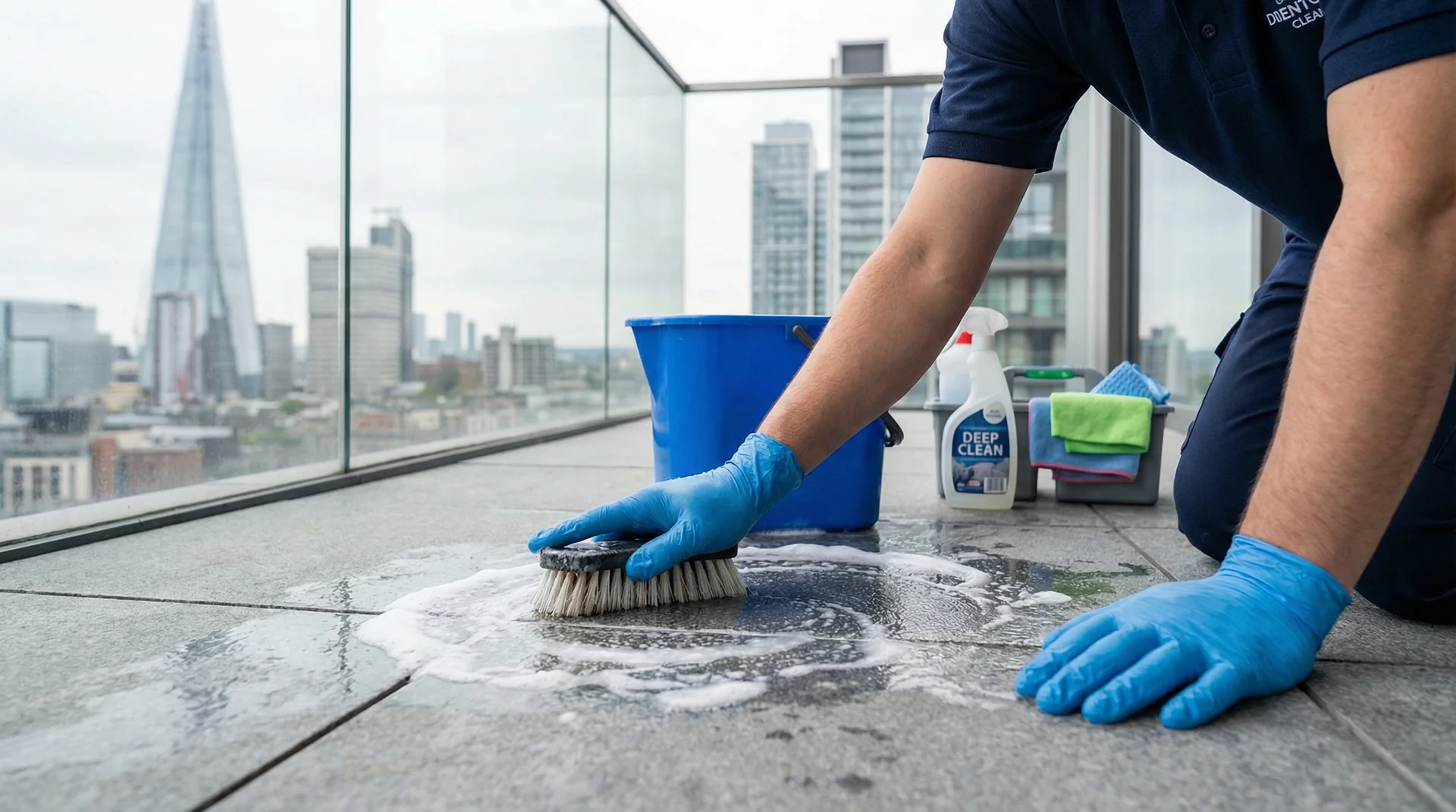
How Often Should You Clean Your London Balcony? - Frequency Guide by Location, Floor Level, and Usage
Introduction
For many Londoners, a balcony is more than just an outdoor extension of their living space; it's a cherished private oasis amidst the bustling urban landscape. Whether it's a tranquil spot for morning coffee, a vibrant garden in the sky, or a place to unwind after a long day, balconies offer a unique connection to the city's dynamic environment. However, this prime position also exposes them to the relentless elements of urban life, leading to a rapid accumulation of dirt, grime, and pollutants. The dream of a pristine balcony can quickly fade under a layer of city soot, bird droppings, and environmental debris.
Understanding the optimal cleaning frequency for your London balcony is not a one-size-fits-all answer. It's a nuanced consideration influenced by a multitude of factors, including your property's specific location within the sprawling metropolis, its elevation or floor level, and how actively you use this valuable outdoor space. This comprehensive guide aims to demystify balcony maintenance, providing London residents with actionable insights and a tailored frequency guide to ensure their balconies remain clean, inviting, and structurally sound. We will delve into the unique challenges posed by London's environment and offer practical advice to keep your balcony in impeccable condition, enhancing both its aesthetic appeal and your enjoyment of it.
Why Regular Balcony Cleaning is Essential in London
Maintaining a clean balcony in London extends far beyond mere aesthetics; it is a critical practice for preserving health, ensuring structural integrity, and safeguarding your property's value. The city's distinct environmental characteristics present unique challenges that necessitate a proactive approach to balcony upkeep.
Aesthetic Appeal
A clean balcony significantly enhances the visual appeal of your home, creating an inviting extension of your living space. In a city where outdoor space is a premium, a well-maintained balcony can be a source of pride and relaxation. Conversely, a neglected balcony, marred by dirt, stains, and debris, can detract from your property's overall charm and even impact your personal enjoyment of your home. First impressions, whether for personal use or potential buyers, are profoundly influenced by the condition of your outdoor areas.
Health and Hygiene
London's urban environment contributes to a rapid accumulation of various unsanitary elements on balconies. Dust, pollen, and airborne pollutants, including fine particulate matter from traffic and industrial activity, settle on surfaces, posing potential respiratory health risks. Bird droppings, a common sight on many London balconies, are not only unsightly but also carry bacteria and pathogens that can be harmful to humans. Furthermore, accumulated debris can create an ideal breeding ground for pests, such as insects and rodents, compromising the hygiene of your living environment.
Structural Integrity
Beyond superficial concerns, regular cleaning plays a vital role in preserving the structural integrity and longevity of your balcony. Grime, moss, and algae can trap moisture against surfaces, leading to material degradation over time. For wooden decking, this can accelerate rot and decay; for concrete, it can lead to erosion and cracking; and for metal components, it can exacerbate rust and corrosion. Standing water, often a result of clogged drains due to debris, can also cause significant damage. Proactive cleaning helps to prevent these issues, extending the lifespan of your balcony and avoiding costly repairs.
Property Value
In London's competitive property market, every detail contributes to a property's perceived value. A meticulously maintained balcony signals to potential buyers or tenants that the property has been well-cared for, reflecting positively on the entire home. Neglected outdoor spaces, however, can significantly diminish curb appeal and lead to lower valuations. Investing in regular balcony cleaning is an investment in your property's long-term value, ensuring it remains an attractive asset.
London-Specific Challenges
London's unique urban ecosystem presents several challenges that amplify the need for frequent and thorough balcony cleaning. Air pollution from dense traffic and industrial activity leads to a constant deposition of soot and particulate matter, which can be corrosive over time [1]. London's damp and unpredictable weather creates an ideal environment for moss, algae, and mildew, making surfaces slippery. Furthermore, pigeons and other urban wildlife are ubiquitous, with their acidic droppings causing staining and damage if not promptly removed.
Factors Influencing Balcony Cleaning Frequency
The optimal frequency for cleaning your London balcony is not static; it dynamically shifts based on several critical factors. Understanding these influences allows for a more tailored and effective cleaning regimen, ensuring your balcony remains in prime condition without unnecessary effort or neglect.
1. Location within London
The specific geographical placement of your property within London significantly dictates the rate at which your balcony accumulates dirt and grime. Areas like Central London (e.g., City of London, Westminster) with high traffic and pollution require more frequent cleaning (weekly/bi-weekly). Suburban areas (e.g., Richmond, Kingston) or those near parks/green spaces will see more pollen and organic debris, suggesting cleaning every 2-4 weeks. Balconies near construction sites will need very frequent cleaning (daily/every few days) due to dust and debris. Properties along the River Thames may experience higher humidity, fostering moss and algae growth, requiring cleaning every 2-4 weeks with attention to moisture.
2. Floor Level
The elevation of your balcony plays a crucial role in determining the types and quantities of contaminants it collects. Ground floor/lower levels are exposed to street-level dirt, splash-back, and garden debris, often requiring weekly cleaning. Mid-level balconies experience a mix of ground and airborne pollutants, typically needing cleaning every 2-4 weeks. High-rise/penthouse levels are exposed to wind and airborne particulate matter, as well as bird activity, and usually require cleaning every 3-6 weeks, with a focus on wind-driven grime and glass surfaces.
3. Balcony Usage
The way you utilise your balcony directly impacts how quickly it becomes dirty. High usage balconies (dining, entertaining, gardening) will accumulate more spills and debris, often requiring daily tidying and weekly thorough cleaning. Moderate usage (occasional relaxation) balconies will primarily gather environmental grime, needing cleaning every 2-4 weeks. Low usage balconies (storage, rarely used) still accumulate environmental dirt and bird droppings, necessitating cleaning every 4-8 weeks with seasonal deep cleans.
4. Balcony Material
The type of material used for your balcony's flooring and railings influences both its susceptibility to dirt and ease of cleaning. Wood decking is porous and prone to moss/algae, requiring frequent cleaning (every 2-4 weeks). Tiles/stone are durable and easier to clean, needing attention to grout every 4-6 weeks. Concrete is robust but can stain, benefiting from cleaning every 4-6 weeks. Glass balustrades show marks easily, often requiring daily/weekly wiping for aesthetics. Metal railings need regular wiping (every 4-6 weeks) to prevent corrosion.
Recommended Cleaning Frequencies: A Comprehensive Guide
Considering the multifaceted influences discussed, here are general guidelines for balcony cleaning frequencies, followed by a detailed comparison table to help you pinpoint the ideal schedule for your specific situation.
General Guidelines
- Minimum: An annual deep clean is the absolute minimum to prevent significant build-up and potential damage. This should be a thorough cleaning, ideally by professionals, to address ingrained dirt and inspect for issues.
- Recommended: Bi-annually, with deep cleans in spring and autumn, is highly recommended for most London balconies. This prepares the balcony for heavy summer use and clears away the grime accumulated over winter.
- Optimal: Quarterly deep cleans (seasonal) provide the best protection and aesthetic maintenance, ensuring your balcony remains consistently pristine throughout the year, adapting to seasonal challenges.
- As Needed: Spot cleaning is crucial for immediate issues like spills, fresh bird droppings, or heavy dust accumulation. Addressing these promptly prevents stains and reduces the need for intensive deep cleaning.
Comparison Table: Cleaning Frequency by Factors
| Factor | Low Impact (Less Frequent) | Moderate Impact (Moderate Frequency) | High Impact (More Frequent) |
|---|---|---|---|
| Location | Suburban, Low Traffic | Near Green Spaces, Residential | Central London, High Traffic, Construction |
| Floor Level | Mid-to-High Rise | Mid-Levels | Ground Floor, Lower Levels |
| Usage | Low Usage, Storage | Occasional Relaxation | High Usage, Dining, Gardening |
| Material | Tiles, Concrete | Metal, Composite Decking | Wood Decking, Glass |
Seasonal Cleaning Checklist for London Balconies
Adopting a seasonal approach to balcony cleaning ensures that your efforts are timely and address the specific challenges each season brings in London.
- Spring Clean (March/April): This is the ideal time for a comprehensive deep clean. Remove all winter grime, moss, and algae. Prepare the balcony for increased use in warmer months by cleaning furniture, planters, and checking drainage. Inspect for any winter damage.
- Summer Maintenance (June/July): Focus on light maintenance and spot cleaning. Address spills from entertaining, sweep away plant debris, and wipe down surfaces regularly. Ensure planters are clean and free of stagnant water.
- Autumn Clean (September/October): A crucial clean to prepare for winter. Clear all fallen leaves, twigs, and other organic matter to prevent decomposition and staining. Thoroughly clean to inhibit moss and algae growth, and ensure drains are clear to prevent standing water.
- Winter Checks (December/January): Basic tidying and ensuring good drainage are key. Remove any snow or ice carefully. Check for any blockages in drains. While deep cleaning is less frequent, ensuring the balcony is free of standing water and heavy debris is important to prevent damage from freezing and thawing cycles.
DIY Balcony Cleaning Tips for London Residents
For routine maintenance, many London residents can effectively clean their balconies using a consistent approach with the right tools and techniques. Essential tools include a stiff-bristled brush, dustpan, buckets, microfiber cloths, and a garden hose. For eco-friendly cleaning, consider white vinegar solution for grime and mildew, baking soda paste for stubborn stains, and warm soapy water for general cleaning.
Step-by-Step Guide:
- Clear the Balcony: Remove all items for unobstructed access.
- Sweep/Vacuum Loose Debris: Remove leaves, dust, and soil.
- Wash Surfaces: Apply chosen cleaning solution to floors, railings, and walls, then scrub.
- Clean Glass: Use glass cleaner or vinegar solution for streak-free results.
- Address Specific Stains: Treat bird droppings, moss, or algae with concentrated solutions.
- Rinse Thoroughly: Rinse all surfaces to remove residue and ensure proper drainage.
- Replace Items: Return furniture and plants once surfaces are dry.
Safety Precautions: Always prioritize safety, especially when working at height. Never lean over the balcony edge; use extension tools. Be mindful of water runoff to avoid affecting neighbours or causing property damage. Check building regulations regarding cleaning methods and water usage.
When to Call the Professionals
While DIY cleaning is effective for routine maintenance, professional services are essential when facing time constraints, lack of specialized equipment or expertise (e.g., for high-pressure washing or stubborn stains), or when dealing with high-rise balconies where safety is a major concern. Professionals are trained and equipped to handle complex cleaning tasks and ensure safety. For renters, professional cleaning is also crucial for end-of-tenancy requirements to secure deposit returns. For a pristine, hassle-free balcony, consider exploring our comprehensive range of services. Our expert team is equipped to handle all your balcony cleaning needs, ensuring a spotless and safe outdoor space. Discover Our Professional Balcony Cleaning Services Here [blocked]
Understanding Pricing for Balcony Cleaning
Understanding the pricing for professional balcony cleaning involves several factors. Costs are typically influenced by the size of the balcony, its current condition (heavy grime or stubborn stains increase cost), the material (some require specialized care), accessibility (high-rise or complex designs may need special equipment), and the type of service (basic vs. deep clean). Opting for regular service can sometimes offer better rates than one-off cleans. We provide tailored quotes based on your balcony's specific needs. Explore Our Balcony Cleaning Pricing Guide [blocked]
Serving London's Diverse Boroughs
London is a city of distinct neighbourhoods, each with its own character, architectural styles, and environmental nuances. From the historic charm of Westminster to the vibrant modernity of Canary Wharf, and the leafy suburbs of Richmond to the bustling streets of Hackney, the challenges and requirements for balcony cleaning can vary significantly across the capital. Our services are tailored to address these unique local conditions, ensuring that residents across all of London's diverse boroughs receive the most effective and appropriate cleaning solutions.
We understand that a balcony in a high-traffic area like the City of London will accumulate soot and grime differently than one nestled beside a park in Islington, or a riverside apartment in Wandsworth. Our local expertise allows us to recommend cleaning frequencies and methods that are best suited to your specific location, taking into account factors such as:
- Local Air Quality: Areas with higher traffic density or industrial activity may require more frequent cleaning to combat particulate matter and exhaust fumes.
- Proximity to Green Spaces: Balconies near parks, gardens, or tree-lined streets will likely contend with more pollen, leaves, and organic debris.
- Building Density and Architecture: The design and proximity of surrounding buildings can influence wind patterns, sunlight exposure, and the accumulation of wind-blown dirt.
- Pigeon Activity: Certain areas of London are more prone to pigeon presence, necessitating more frequent removal of droppings and preventative measures.
Our commitment is to provide a localized service that respects the unique characteristics of your London borough. We pride ourselves on understanding the specific environmental pressures faced by balconies in different parts of the city, enabling us to deliver a cleaning service that is both efficient and highly effective. To find out more about our services in your specific area and how we can help maintain your balcony, please visit our dedicated areas page. Find Your London Area Balcony Cleaning Service [blocked]
Frequently Asked Questions (FAQ)
Here are some common questions about balcony cleaning, offering clarity and practical advice.
Q: Is professional balcony cleaning worth it? A: Absolutely. While DIY cleaning is suitable for routine maintenance, professional services offer a deeper, more thorough clean, especially for stubborn stains, high-rise properties, or specific materials. They have the expertise and equipment to ensure safety, prevent damage, and deliver results that significantly enhance your balcony's appearance and longevity. It's a worthwhile investment for preserving your property's value and your enjoyment of the space.
Q: How do I prevent pigeons from dirtying my balcony? A: Preventing pigeons can be challenging in London. Strategies include installing bird spikes or netting (ensure these comply with building regulations), using reflective deterrents, or placing artificial predators. Keeping your balcony free of food scraps and standing water also helps reduce their attraction. Regular cleaning of droppings is crucial to prevent damage and maintain hygiene.
Q: Can I use a pressure washer on my balcony? A: Use a pressure washer with extreme caution. While effective for durable surfaces like concrete or some tiles, improper use can damage grout, wood, or even the balcony's structure. Always use the lowest pressure setting, a wide-angle nozzle, and maintain a safe distance. Crucially, be mindful of water runoff to avoid affecting neighbours or causing water ingress into your own or adjacent properties. For high-rise balconies, it's often safer to leave pressure washing to professionals.
Q: What are the best eco-friendly cleaning products for balconies? A: For eco-friendly cleaning, white vinegar diluted with water is excellent for general grime, mildew, and hard water stains. Baking soda paste can tackle stubborn spots and act as a mild abrasive. Mild, biodegradable dish soap mixed with warm water is effective for general washing. Always look for products explicitly labelled as eco-friendly or biodegradable to minimize environmental impact.
Q: How often should I clean my balcony if I have plants? A: If you have plants, you'll likely need to clean your balcony more frequently. Plant debris (leaves, soil, fallen petals) can accumulate quickly, especially during growing seasons. Aim for weekly sweeping and wiping down surfaces to prevent organic matter from breaking down and causing stains or attracting pests. Ensure good drainage around planters to avoid standing water.
Conclusion
Your London balcony is a valuable extension of your home, offering a unique vantage point and a personal escape from the urban hustle. However, to truly enjoy this space and protect your investment, regular and appropriate cleaning is paramount. As we've explored, the ideal cleaning frequency is a dynamic interplay of your balcony's location within London, its floor level, how you use it, and the materials it's constructed from. From combating the pervasive city pollution to managing the damp London weather and deterring urban wildlife, a tailored approach ensures your balcony remains a pristine and inviting haven.
By understanding these factors and implementing a consistent cleaning regimen – whether through diligent DIY efforts or by enlisting the expertise of professionals – you can significantly extend the lifespan of your balcony, maintain its aesthetic appeal, and safeguard your property's value. Don't let grime diminish the joy of your outdoor space. Take proactive steps to keep it immaculate, and continue to savour your unique slice of London.
Ready to transform your balcony into a sparkling sanctuary? Contact Us Today for a Free Quote [blocked] and let our experts help you maintain a beautiful and healthy outdoor living area.
References
[1] St Anne's Housekeeping. "High-Rise Apartment Cleaning Schedule: Monthly Checklist tips." St Anne's Housekeeping Blog, 15 Jan. 2026, https://stanneshousekeeping.com/blog/apartment-cleaning-schedule-for-high-rise-living.